



Bite Sized Wisdom: Facts on Wisdom Teeth
Wisdom teeth. The late blooming elder teeth of your mouth behave a little differently than your other teeth.
Know the facts:
- Wisdom teeth get their name from the time frame at which they finally show up in your mouth. They typically appear in a person’s late teens or early twenties, sometimes called “The age of wisdom”, though your parents may disagree.
- Wisdom teeth cause trouble because they often grow at odd angles. This makes it hard for them to break out of your gum, if at all.
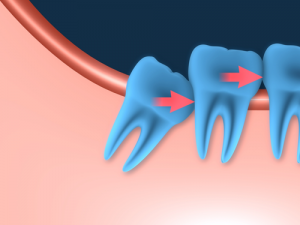 Another reason wisdom teeth often can’t get out of gums is because there is not enough room for them. The plus side is that this could be because you’ve kept your teeth nice and straight.
- Some people never grow wisdom teeth!
- Wisdom teeth, among other teeth, house valuable stem cells that can be saved to help you treat other conditions you may have down the road. A pearl of wisdom for you.
- Wisdom teeth removal, with proper sedation, is painless. The tough part is recovery, which can last a few days to several weeks. Following your physician’s instructions will help you through recovery as quickly as possible.
- In ancient times, when diets were harder on teeth, wisdom teeth made more sense. People couldn’t influence the way their teeth moved around so it was easier for wisdom teeth to find space to pop in. With today’s high-quality dental care, wisdom teeth aren’t necessary.
- Given that most people end up removing these teeth surgically, research is being done to find ways to prevent their growth altogether. This would save a trip to the surgeon!
- You may or may not ever notice that your wisdom teeth need to be removed. Some people notice some pain or irritation, some notice nothing at all. Making an appointment with our office is the only way to know for sure.
- Most people have four wisdom teeth. It’s possible to have fewer or more than four, though it’s very uncommon.
Wisdom teeth can be quirky and troublesome. To make sure you or your child’s wisdom teeth aren’t creating difficulties down the road, make an appointment with us today!
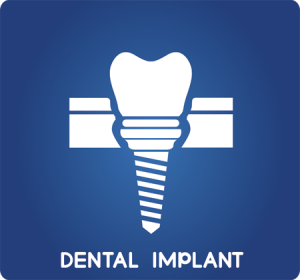 Placing a dental implant is a process that is different for each patient. The healing process and the steps required all depend on what’s going on in your mouth. The only way to know exactly what to expect is to consult with us at our office, but we’d be happy to give you an overview here:
 Soft Tissue Injury
 In Latin, “orthognathic” means to straighten (“ortho”) the jaws (“gnathia”).
 Earache: Because the jaw muscles run from ear to ear, TMJ related jaw pain can also trigger ear pain, which is often mistaken for an ear infection. The pain actually doesn’t come from the ear at all, but originates directly beneath or in front of the ear.
 Human ancestors used their wisdom teeth to grind up food that was hard to digest. They had large jaws and powerful teeth with plenty of room for a third set of molars.
 Long-lasting Dental implants are designed to be the permanent solution for missing teeth. Dental bridges last 5-10 years and crowns last 10-15 years, but dental implants can last 20 years, even a lifetime with proper dental care, making them a cost-efficient alternative to other modes of tooth replacement.
 Quit Smoking: After five years of quitting smoking, your risk of oral cancer is cut down to just half of that of a smoker.